San Diego Home Design Trends 2025
Thinking about breaking ground in 2025, but wondering which ideas will still feel current five years from now? I’m Kimberly with Kaminskiy Design & Remodeling, and I sat down with Jean (Lead Designer), Anastasia (Lead Designer), and Andrea (Kitchen & Bath Design Specialist) to cut through the noise and focus on what delivers daily comfort, resale confidence, and easy maintenance in San Diego homes.
Below, you’ll get seven standout picks from each designer plus seven of my own, so you can make smart calls on layout, lighting, and materials before we order a single item. If you’re planning to start design within the next 3–12 months, this guide will help you set priorities, control cost, and move forward with a clear plan.
Planning something bigger? See our Whole‑Home Remodel gallery page for ideas that tie the entire house together.
🎧 Prefer to listen on the run? Tap play below and take this guide with you—perfect for a beach walk, dog trot, or a cruise up the 101. 👇
Key Takeaways
- Warm, tactile interiors: San Diego clients want warm woods, texture, curves, and great lighting, paired with durable finishes.
- Wellness continues to grow: Steam rooms, wet rooms, and dedicated fitness or recovery areas.
- Expressive tile: Zellige looks, artisanal pieces, and geometric patterns.
- Early power planning: Power, lighting, and outlets require early planning, as technology is now a standard feature in nearly every room.
- National alignment: Wellness, sustainability, and personalization align with our local experience.
- San Diego difference: Indoor/outdoor living and water‑smart features matter more in Southern California.
- Start smart: Early scoping and selections help you control costs and lead times.
Prefer to learn live? Join one of our free Design Seminars at the KDR showroom to see finishes up close, learn how our design‑build process works, and get clear answers on scope, budget, and timelines. Seats are limited, so RSVP and bring your questions.
Jean’s Top 7 San Diego Design Trends for 2025
Jean’s eye this year is all about feel: warm, monochrome rooms brought to life with texture, curvier silhouettes, and the glow of thoughtful lighting. She leans into organic materials and handmade tile, adds geometric notes with a hint of Deco, and keeps warm wood tones and black accents in the mix. The result feels calm and collected, with details that age gracefully.
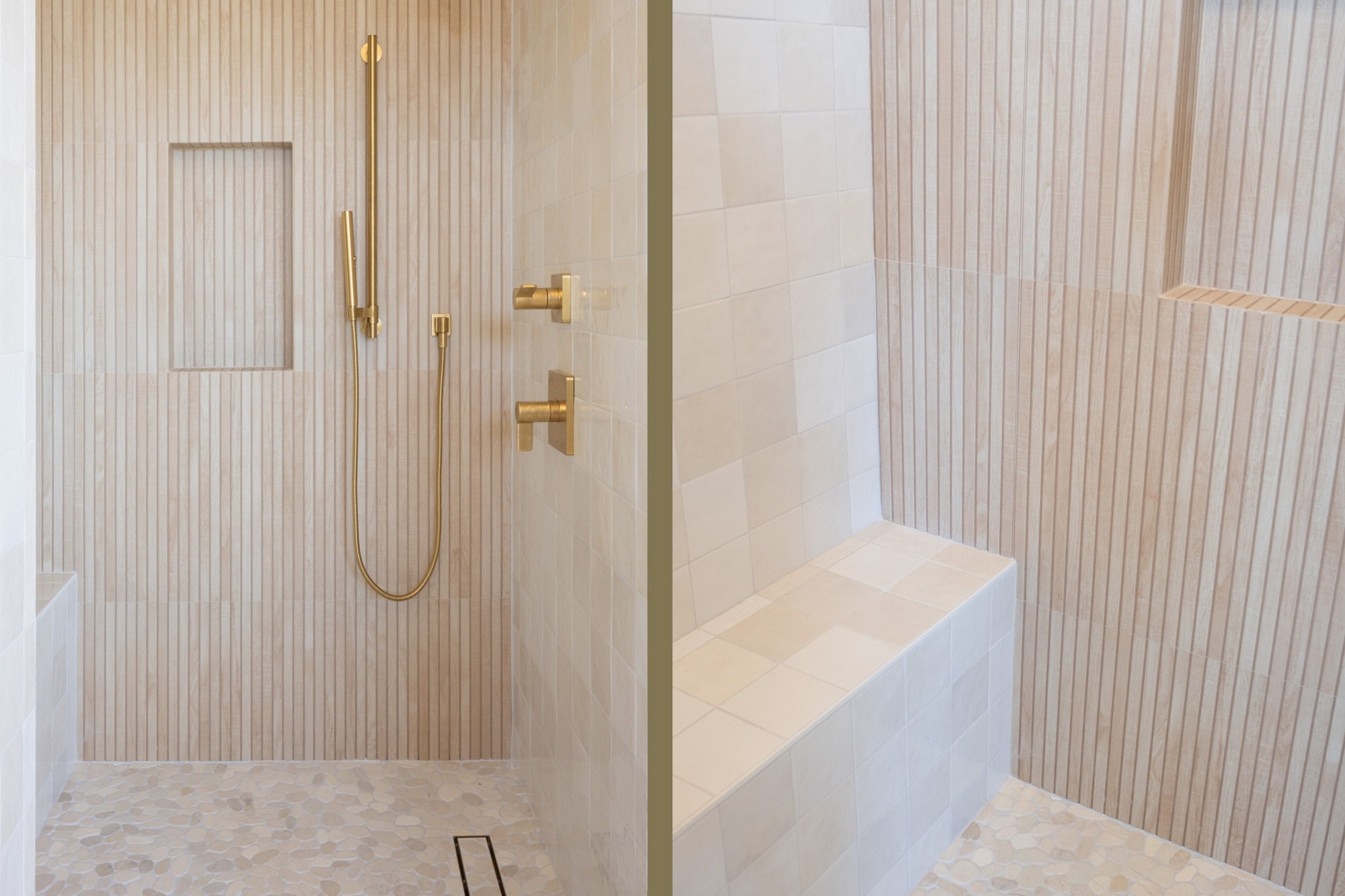
1) Texture on texture (in calm, warm palettes)
Two-tone or three-tone rooms feel soothing when the interest comes from texture, such as plaster, grasscloth, reeded doors, and boucle. Think warm monochrome with depth, not flat color.
2) Color “drenching”
Walls, trim, and wainscot in the same hue create a quiet, gallery‑like envelope. It’s fantastic for dens, dining rooms, and moody powder baths.
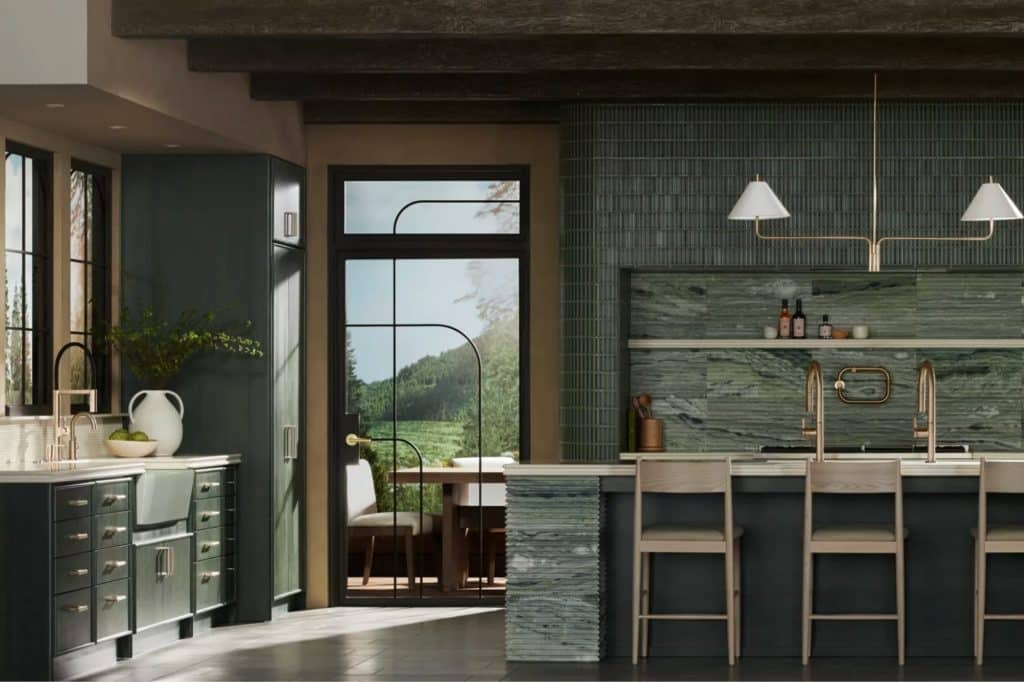
- Test both sheens: paint matte and satin swatches on the wall, trim, and wainscot.
- Check lighting: view samples in daylight and at night—sheen shifts under LEDs and natural light.
- Do a wipe test: once dry, wipe with a damp cloth to compare cleanability.
Before painting an entire room one hue, sample sheen—matte vs. satin—on trim and wainscot. The wrong sheen can make drenching feel flat or too shiny.
3) Warmer wood tones
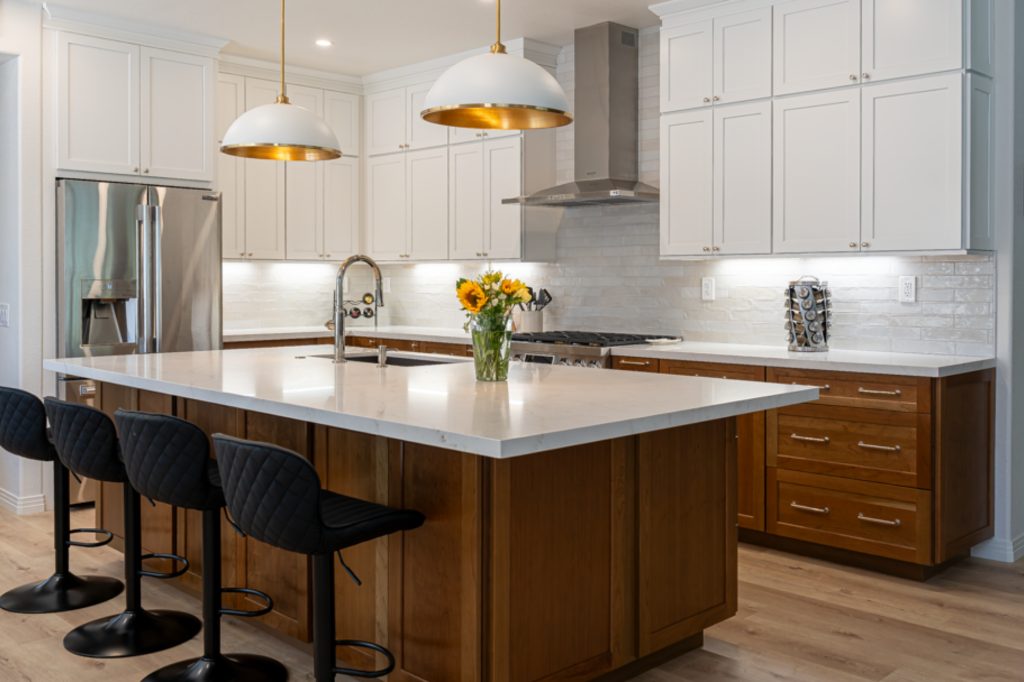
Rift‑sawn white oak, walnut, and alder bring comfort back to kitchens, baths, and media walls. We’re finishing them in natural or light stains that show grain without yellowing.
4) Softer lines and curves
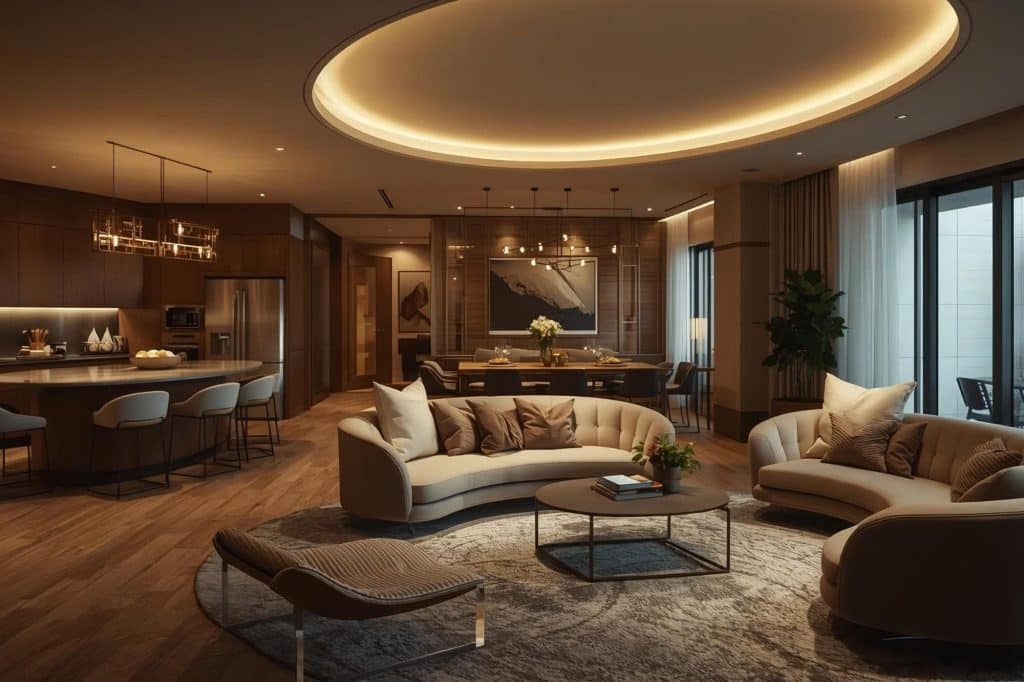
Arcs on islands, eased countertop corners, curved sofas, and radius shower glass soften strict rectangles. Curves make tight spaces feel more generous and reduce hip‑bump zones.
5) Lighting, lighting, lighting
Layered lighting is everything: low‑voltage linear accents, toe‑kicks, cove details, and art lighting bring rooms to life. Getting the switching right is as important as fixture choice.
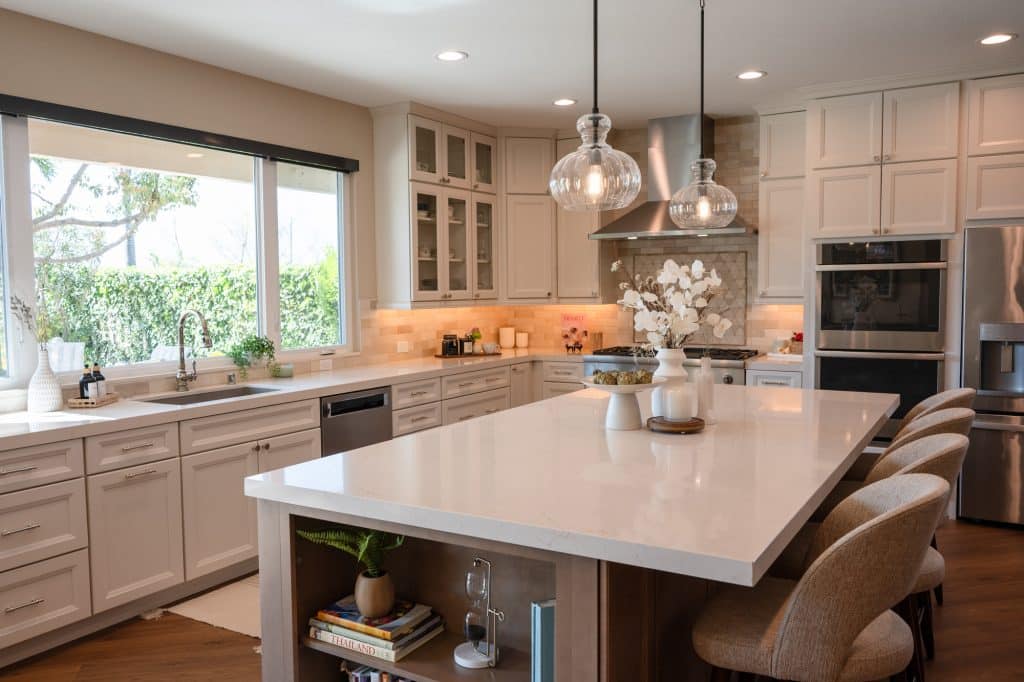
- Decide scenes first: task, accent, and night.
- Group switches by scene so one button sets the mood.
- Use dimmers/keypads at main entries; keep pathways low at night.
Decide scenes first—task, accent, and night—then group switches so one button sets the mood.
6) Geometric shapes with an Art Deco wink
From arched doorways to scalloped tile and stepped details, geometry adds a sense of rhythm and elegance. Used sparingly, it reads as timeless, not theme‑y.
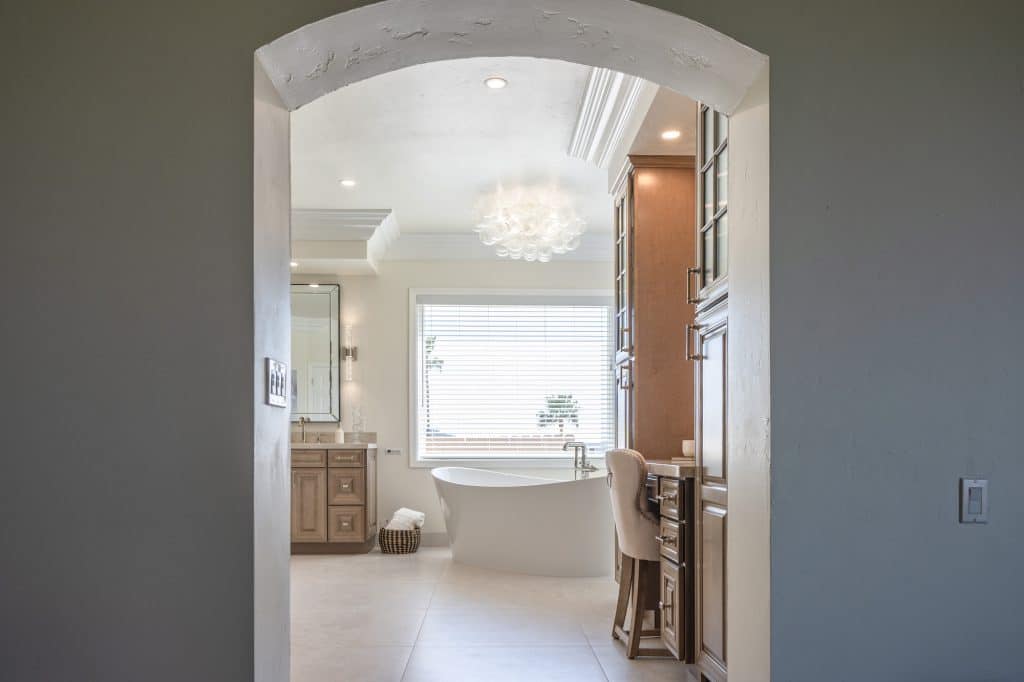
7) Organic materials and handmade tile
Zellige, clay, and hand-cut stone evoke a sense of groundedness and uniqueness. Their slight variation is exactly what makes them look rich.
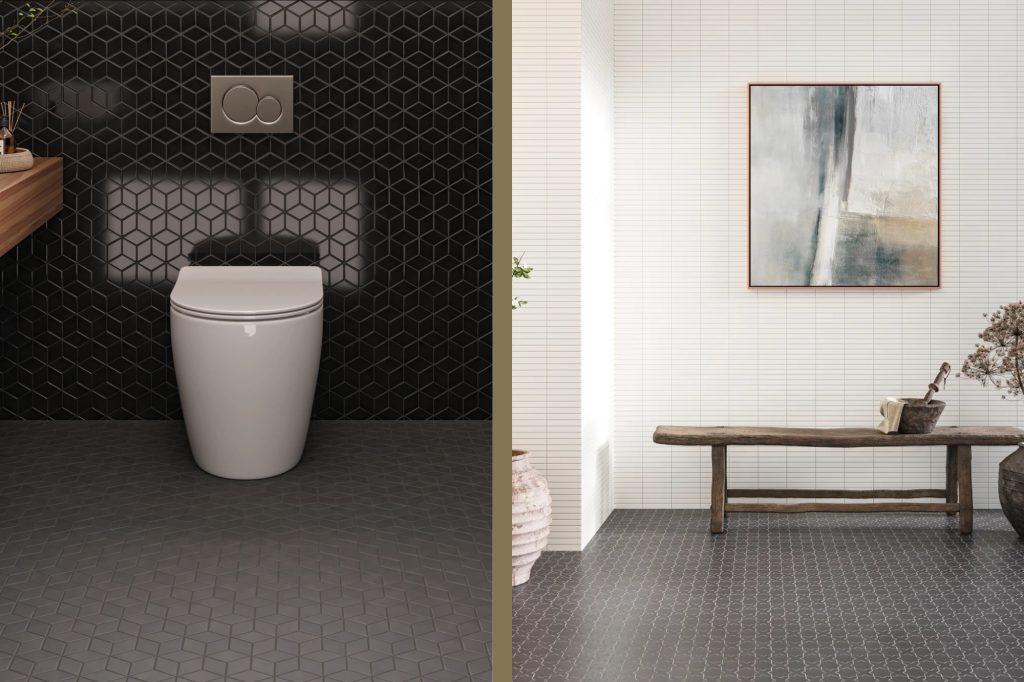
- Set joint width: aim for ⅛–3⁄16 inch to accommodate size variation and reduce lippage.
- Dry-lay first: stage 9–12 tiles, rotate pieces, and confirm spacer size before installation.
- Choose the right grout: up to ⅛" can use unsanded; at 3⁄16" use sanded for strength.
- Seal smart: apply a penetrating sealer before grouting (to ease cleanup) and again after cure.
Plan grout joints at ⅛–3⁄16 inch for handmade tile—larger joints help accommodate natural variation and reduce lippage. Select a penetrating sealer to protect the artisanal finish without compromising character.
Jean set the mood with texture, curves, and warm woods—now let’s take a closer look at the rooms you use most. Next up, Anastasia translates that vibe into hard‑working kitchens and baths with steam ovens, porcelain surfaces, smart power, and better lighting. If you cook often or share bathrooms, her seven picks are your roadmap.
Anastasia’s Top 7 Kitchen & Bath Trends for 2025
Anastasia focuses on everyday performance: steam ovens that keep food juicy, porcelain tops that shrug off spills, and smart power/lighting details that make prep safer and more efficient. In kitchens and baths, her goal is a space that works hard without feeling cold. Layer in small-format, handmade-look tile, warm gold finishes, and mixed cabinetry for depth, and you get spaces that feel warm, personal, and high-performance.
1) Steam ovens for everyday cooking
Clients love crispy, juicy results without drying food. Steam ovens also reheat leftovers beautifully for many dishes, making meal prep and family dinners easier to manage.
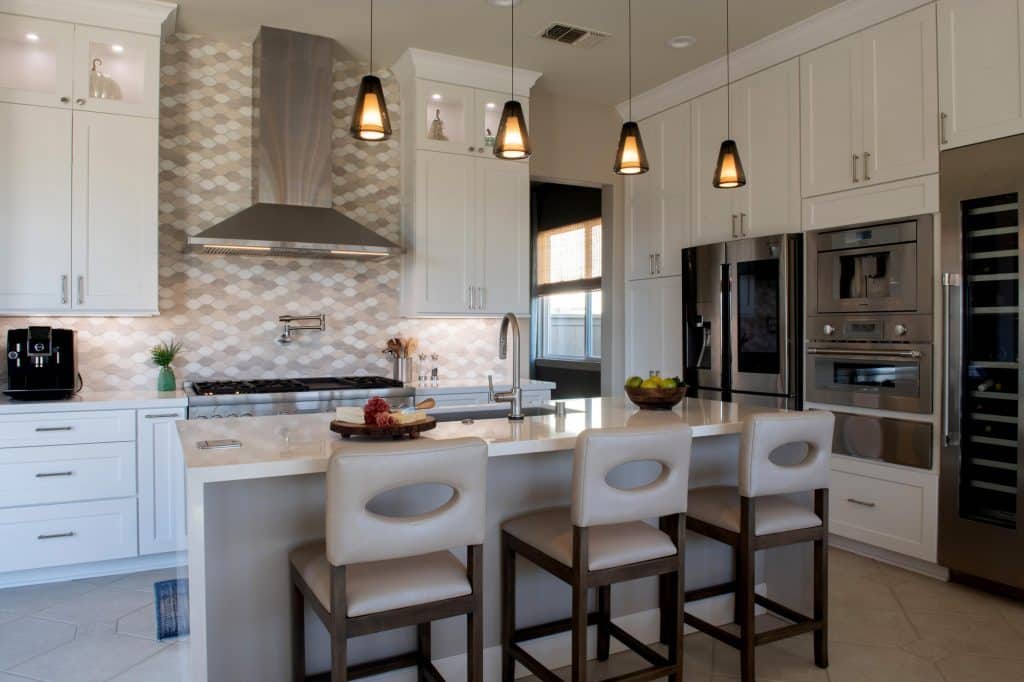
- Bake often? Choose a model with a crisping/combi function (convection + steam) for breads and pastries.
- Meal-prep weekly? Go for a plumbed-water model so you skip tank refills.
- Bonus checks: confirm capacity, 240V electrical needs, and trim-kit/flush-install compatibility.
If you bake frequently, choose a model with a crisping function; if you meal-prep, look for a model with plumbed water so you skip refills.
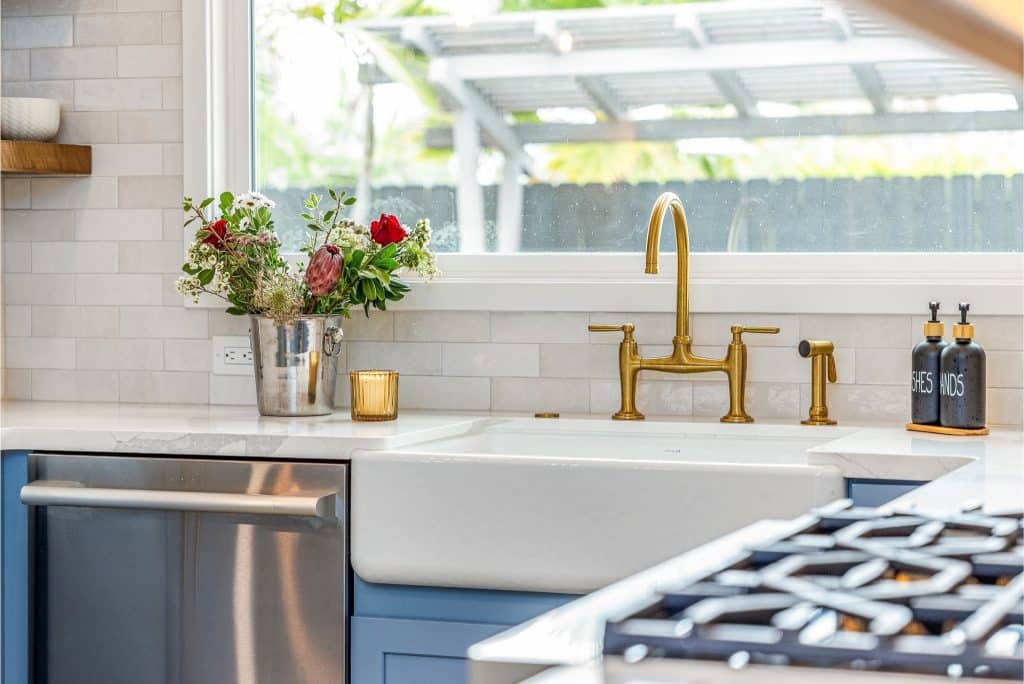
2) Gold plumbing fixtures
Warm metals—brushed or satin—pair nicely with white, stone, and mid‑tone woods. They add glow without feeling flashy.
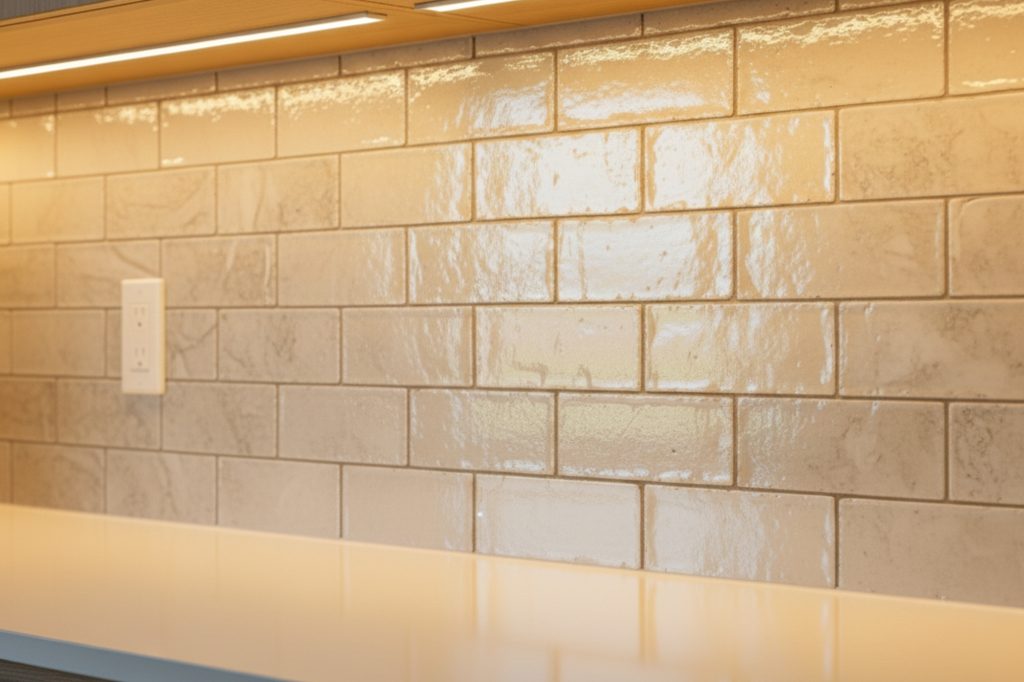
3) Small‑format, Zellige‑style tile
2×6 and 2.5×10 sizes in soft whites and creams add handmade character. We’re also seeing pickets, arabesques, and hexagons for feature walls and niches.
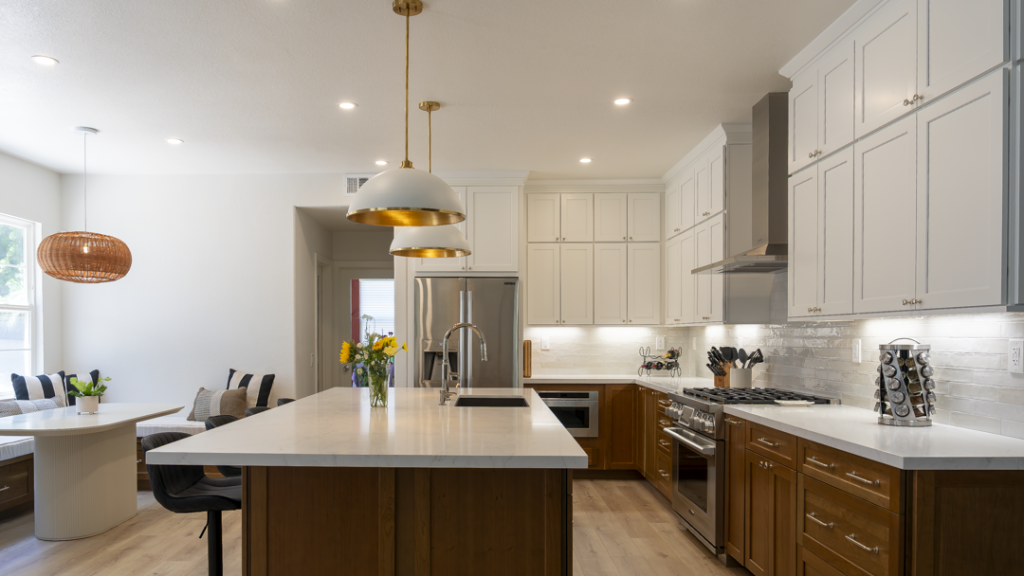
4) Mix of stained and painted cabinetry
Combining a stained island with painted perimeter cabinets (or vice‑versa) adds depth. It’s also a smart way to highlight storage zones.
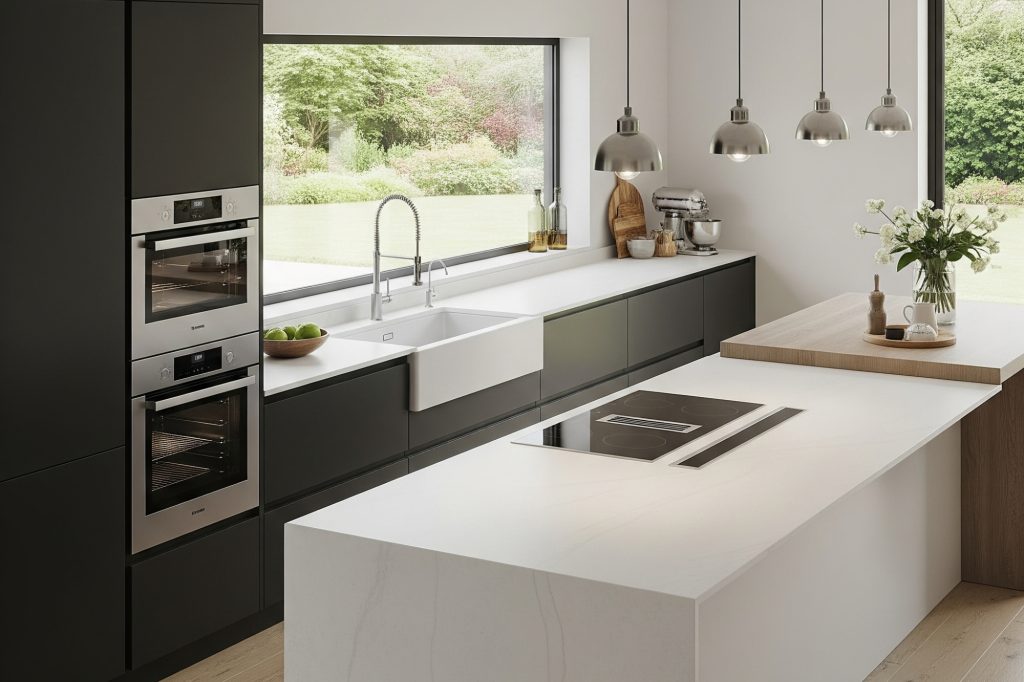
5) Porcelain countertops
Porcelain is heat-tough, stain-resistant, and thin, making it ideal for modern reveals. Book-matched porcelain slabs also provide a high-end stone look with easier care.
6) Pop‑up outlets at the kitchen sink
No more reaching across the prep zone with a cord. Some models can be capped with your countertop material for a seamless look—just be sure to choose a compatible model if your surface allows it.
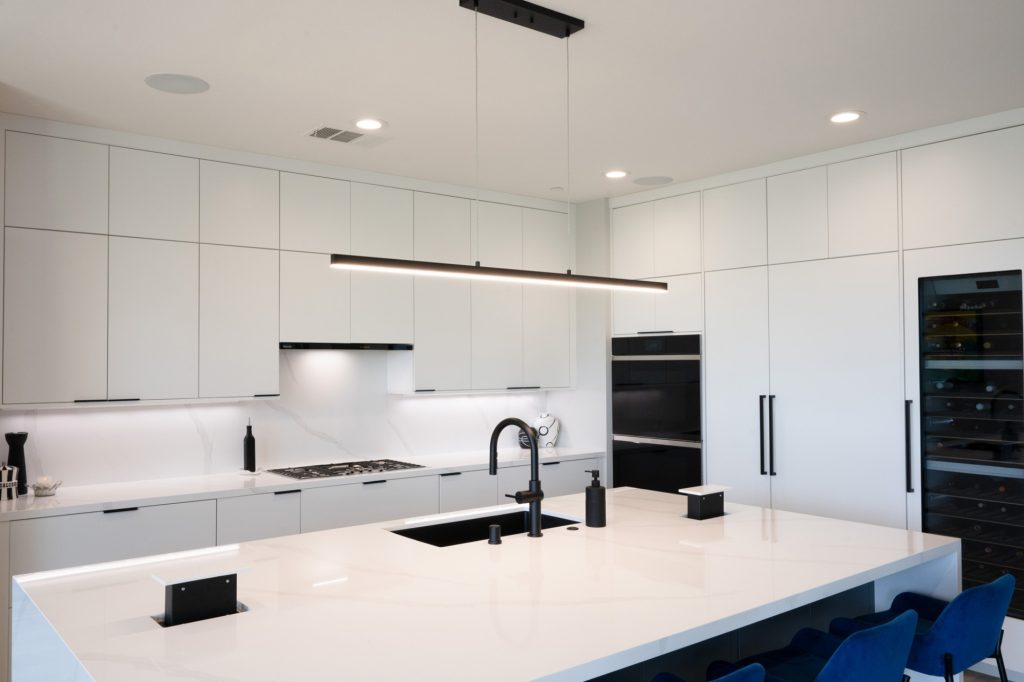
- Place it smart: position within easy arm’s reach of the sink so cords don’t cross the prep zone.
- Specify GFCI: use a unit with built-in GFCI or feed it from a GFCI-protected circuit.
- Go “cap-ready”: pick a model that accepts your countertop cap for a near-invisible look.
- Check clearances: confirm cutout size and under-counter room around bowls, plumbing, and drawers.
Place one within arm’s reach of the sink and spec GFCI protection; choose a model that accepts your countertop cap for a nearly invisible look.
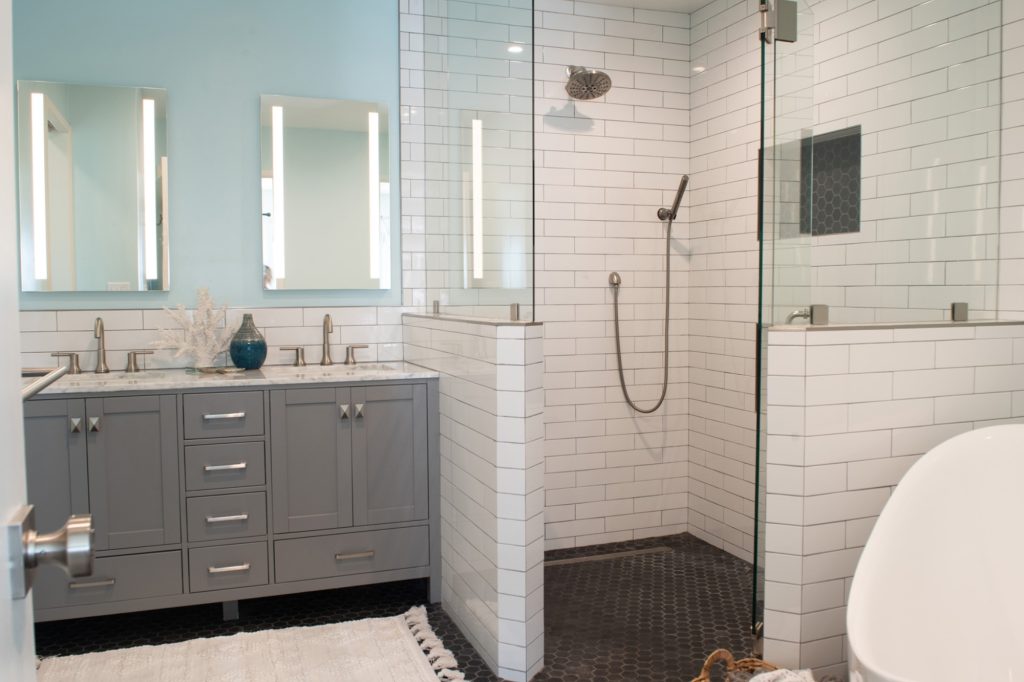
7) Illuminated medicine cabinets and mirrors
Built‑in lighting improves grooming tasks and doubles as soft nighttime lighting. Many include outlets and defoggers to clear the mirror quickly.
Before we move on to Andrea’s picks, let’s shift our focus from appliances and tile to the broader concept of comfort and care. Her list leans into spa‑style wellness, smart fixtures, and easy‑clean choices that save time every week. If your goal is a home that feels restful and low‑maintenance, start a shortlist from the seven ideas below.
Andrea’s Top 7 Home & Bath Trends for 2025
Andrea zeroes in on wellness and easy living, featuring spa-level showers and steam, smart toilets, and finishes that clean up quickly. She adds workstation sinks and Zip taps for speed, then ties it all together with mixed metals that feel current without chasing fads. The goal: daily comfort that stands the test of time.
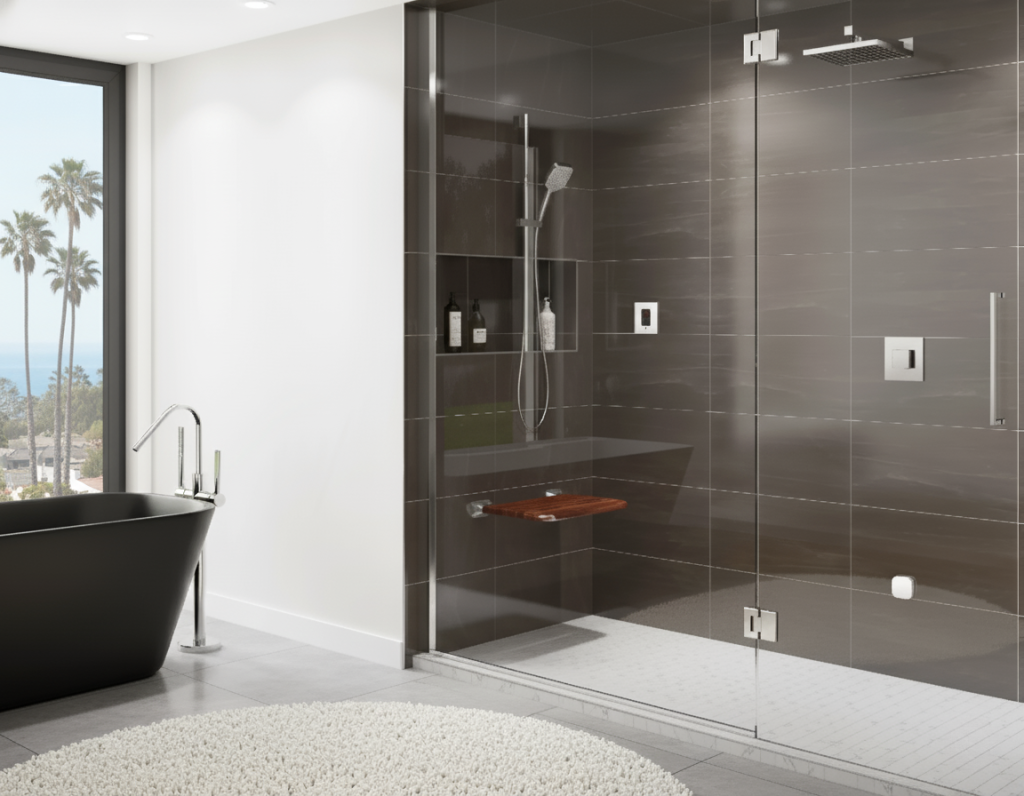
1) Wellness upgrades: wet rooms and steam
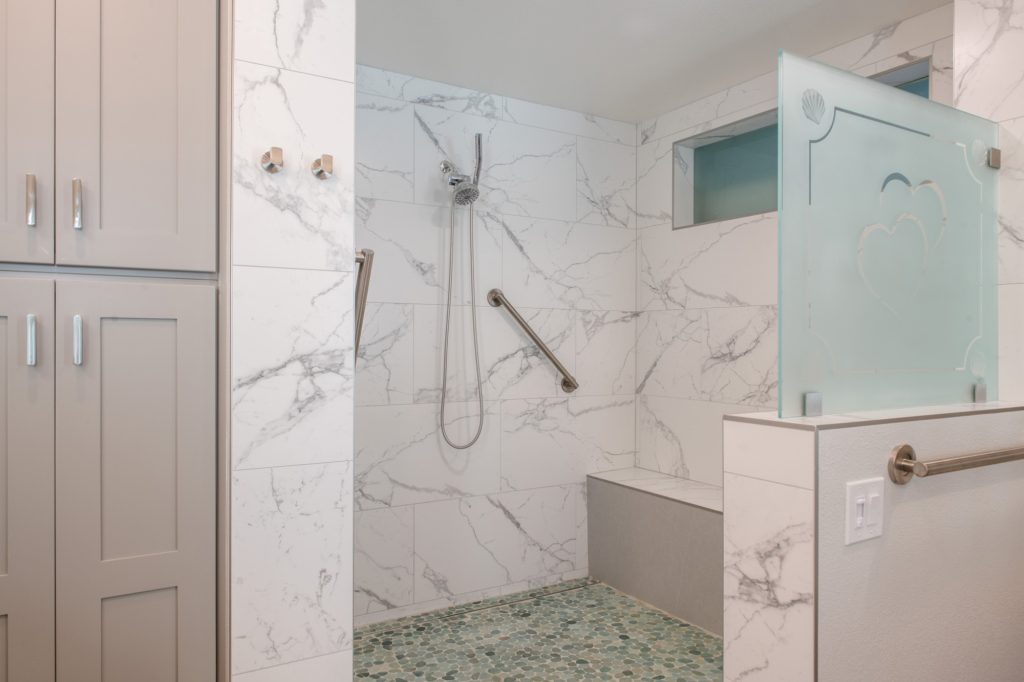
Spa‑style showers with benches, body sprays, and steam are a priority. The goal is daily recovery, not a once‑a‑year splurge.
2) Smart toilets
Heated seats, bidet functions, auto‑close lids, and self‑cleaning options are now mainstream. They also improve hygiene and comfort in multi‑generational homes.
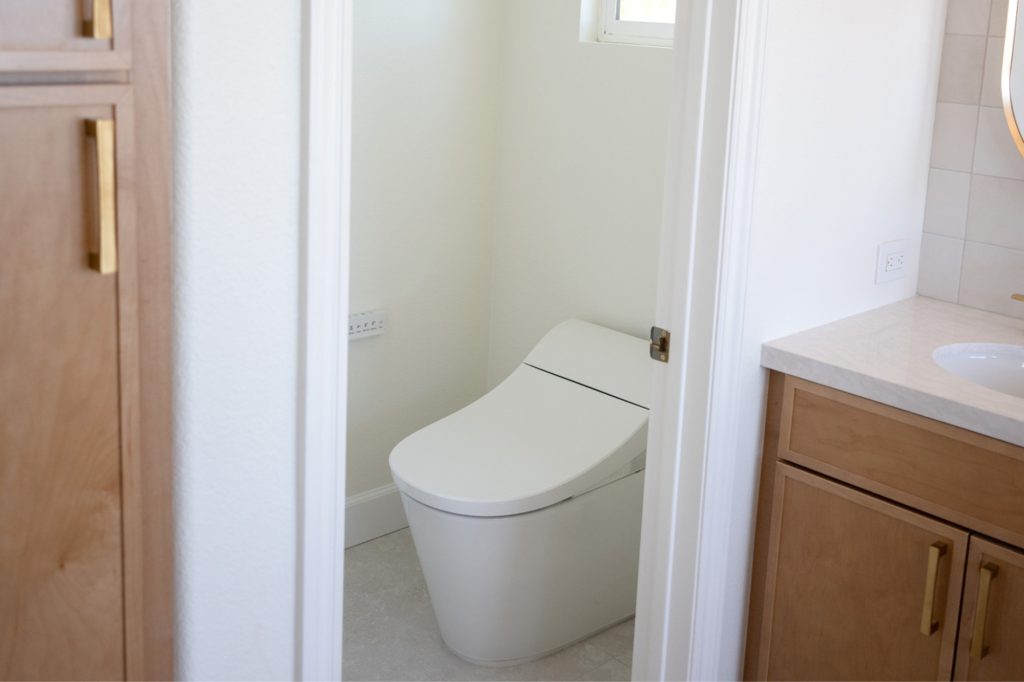
- Install a dedicated GFCI outlet behind the toilet during rough-in (typically 120V).
- Follow the cut sheet: common placement is 6–8" to one side of the centerline and 10–14" above finished floor—verify your model.
- Use a dedicated circuit (often 15A) if the manufacturer calls for it.
- Recess the box or use a slim outlet to keep the unit tight to the wall.
Add a dedicated GFCI outlet behind the toilet during rough-in so you aren’t stuck with cords later.
3) Easy‑clean choices
Skirted toilets, slab walls, and ceramic coatings reduce scrubbing. In busy households, these pay off every week with less scrubbing.
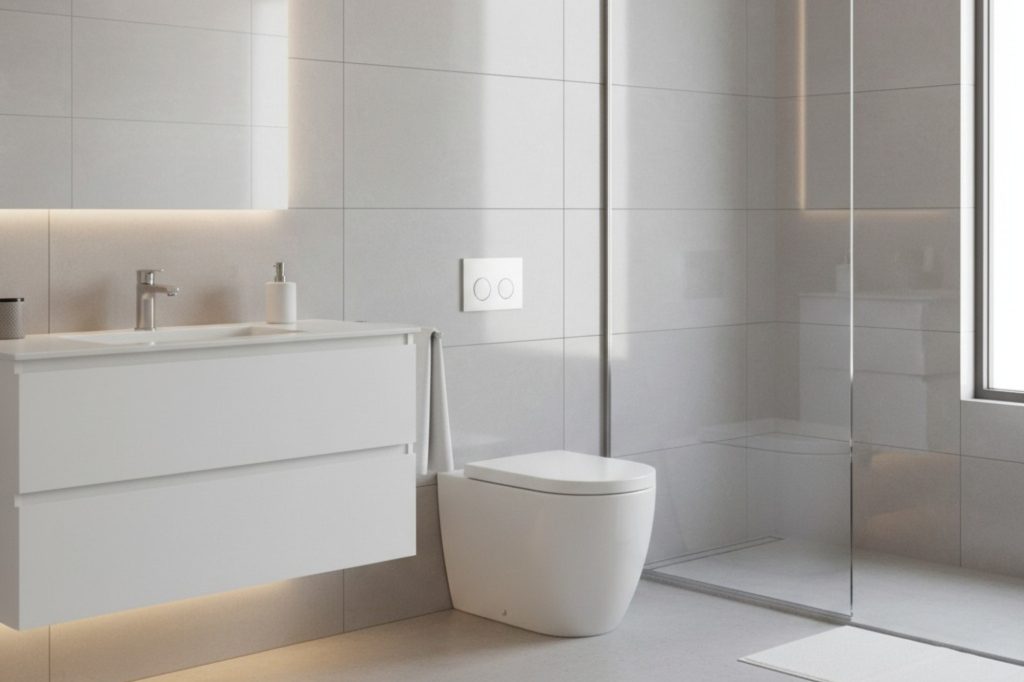
4) Workstation sinks with integrated accessories
Colanders, drying racks, and cutting boards slide on ledges to turn your sink into a prep center. It saves counter space and speeds up cleanup.
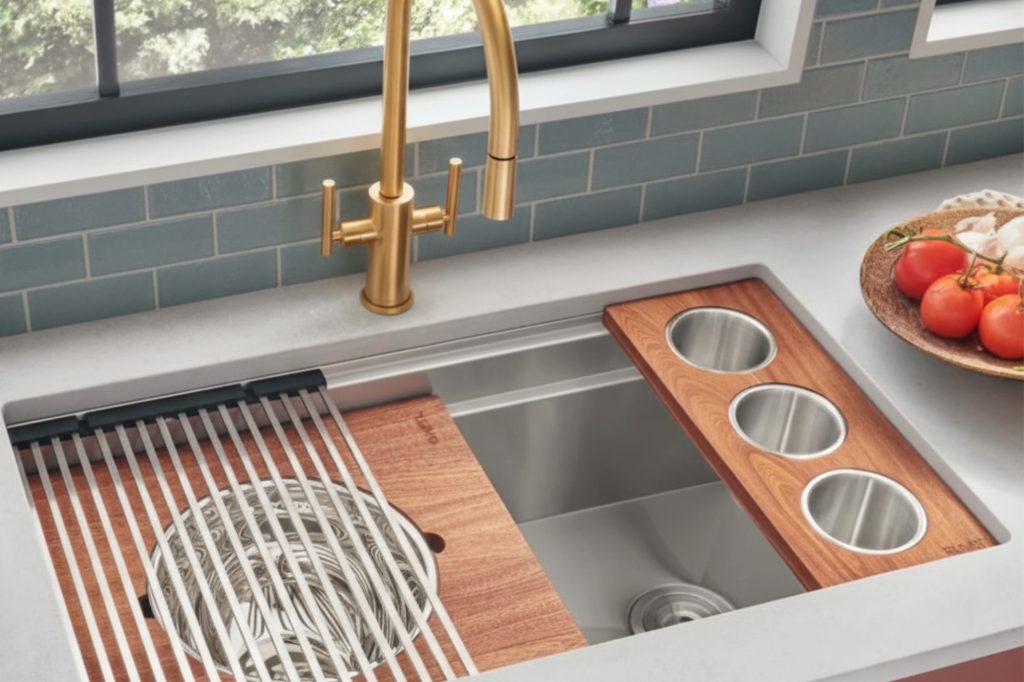
- Size the base: aim for 36"+; go wider if you want double bowls or extra accessories.
- Add a tray pull-out: store the cutting board, roll-up rack, colander, and bins vertically so the deck stays clear.
- Plan plumbing: place the disposer and trap to one side to free space for the pull-out.
Plan a 36-inch or wider base and store accessories vertically in a tray pull-out to keep the deck clear.
5) Zip taps (boiling and sparkling on demand)
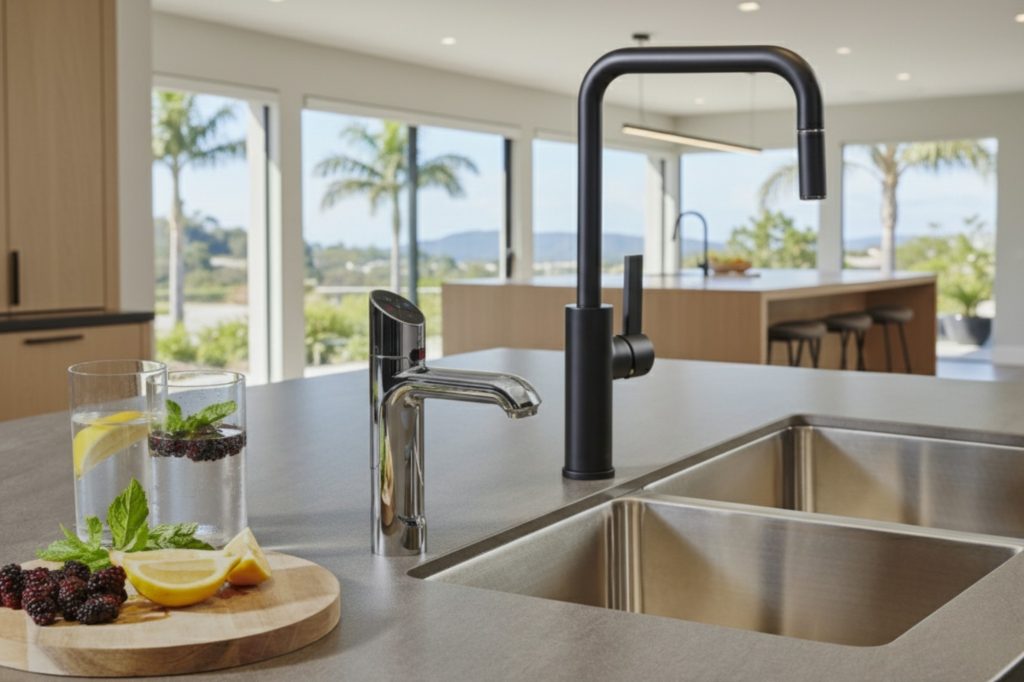
These taps replace multiple appliances and clear counter clutter. Great for tea drinkers and families who love fizz without the hassle of bottles.
6) Mixed metal finishes
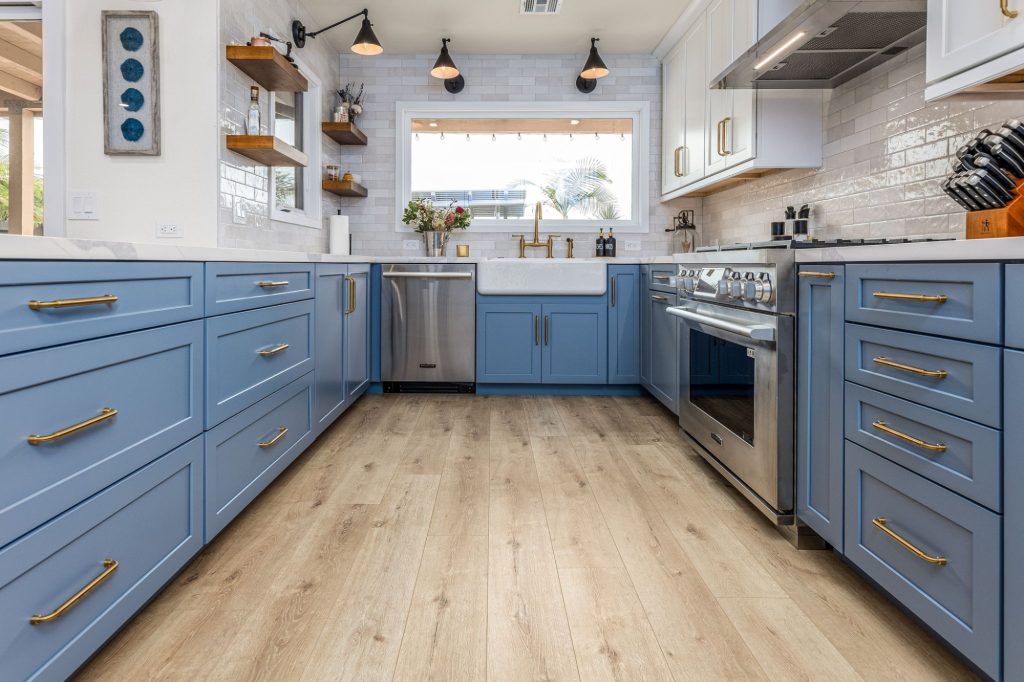
Brass, black, and stainless steel can live in one room if the proportions are intentional. Repeat each finish at least twice for harmony.
7) Aging‑in‑place planning
Grab-bar blocking, wider doorways, and no-step showers can be both beautiful and discreet. We design these features early, so they vanish into the architecture. Discover our Universal Design approach for ideas that look great today and serve you well in the future.
Kimberly’s 7 Additional Trends I’m Building Into 2025 Projects
(These weren’t already covered by Jean, Anastasia, or Andrea.)
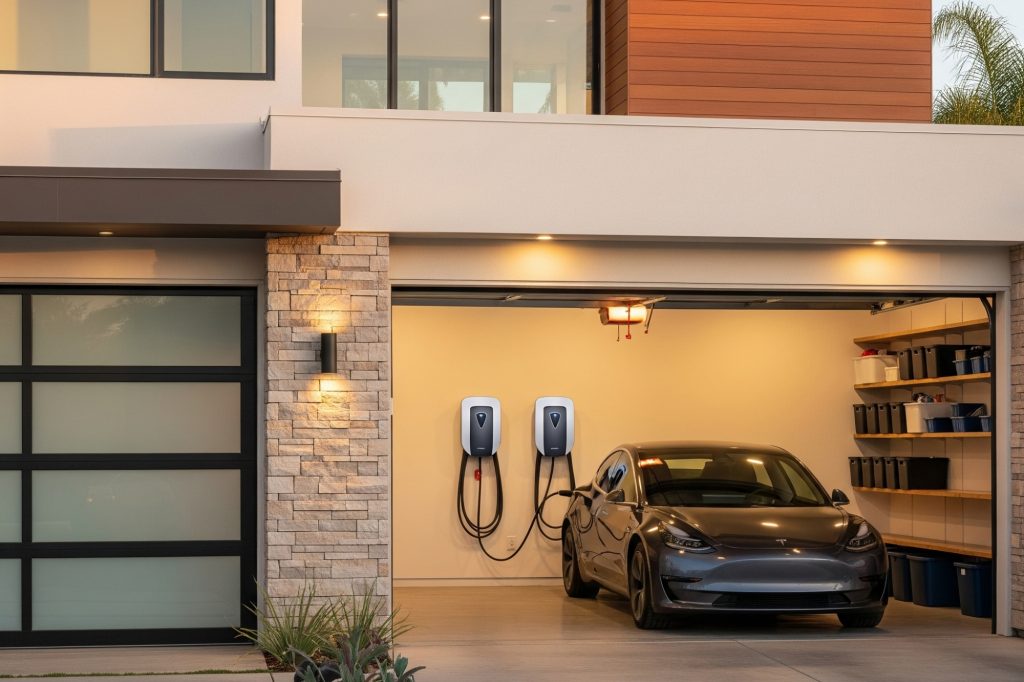
1) EV‑ready garages and backup power
We’re adding 240V, 40‑ to 60‑amp dedicated circuits for Level 2 EV chargers, along with space for backup power and battery storage. In older homes, this may require a panel upgrade—another reason to plan electrical early. Power planning is now a key part of kitchen and addition designs.
2) Water‑smart systems
Hot-water recirculation loops, smart irrigation, and drought-tolerant planting help save water and time. Pre‑plumbing for future graywater keeps options open.
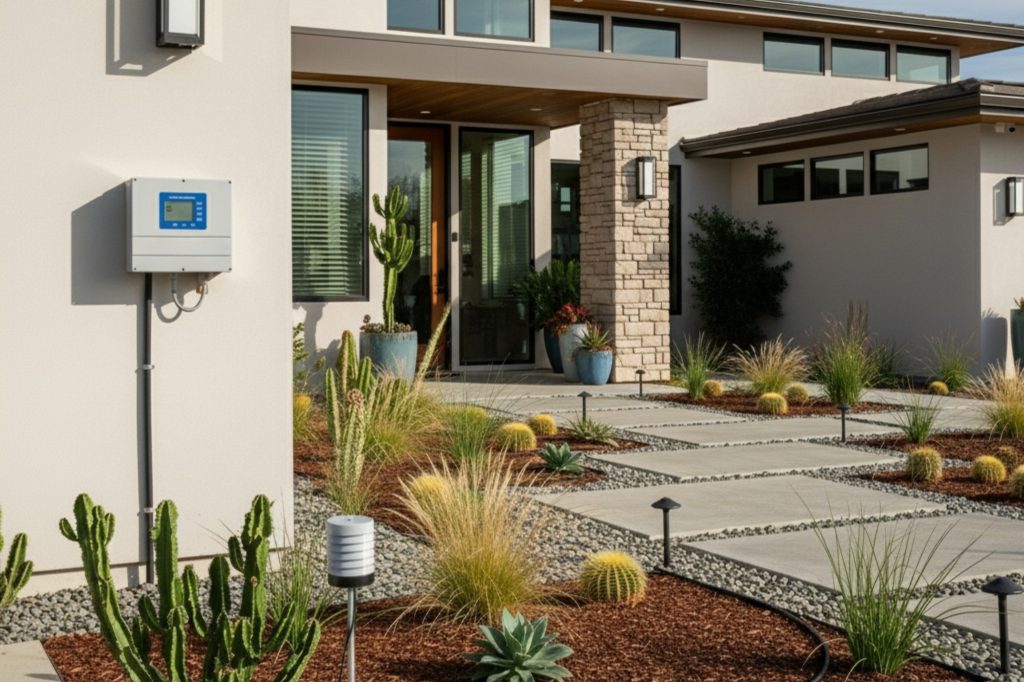
- Pair a smart controller with a rain sensor (or weather-based ET controller) to pause watering automatically.
- Check local rebates: San Diego water agencies often offset costs for smart controllers and sensors.
- Zone correctly: use drip for beds and high-efficiency rotors for turf to cut waste.
- Add a regulator & filter on drip lines to protect emitters and improve consistency.
Pair smart irrigation with a rain sensor and check local rebates—San Diego agencies often offer cost offsets.
3) Acoustic comfort
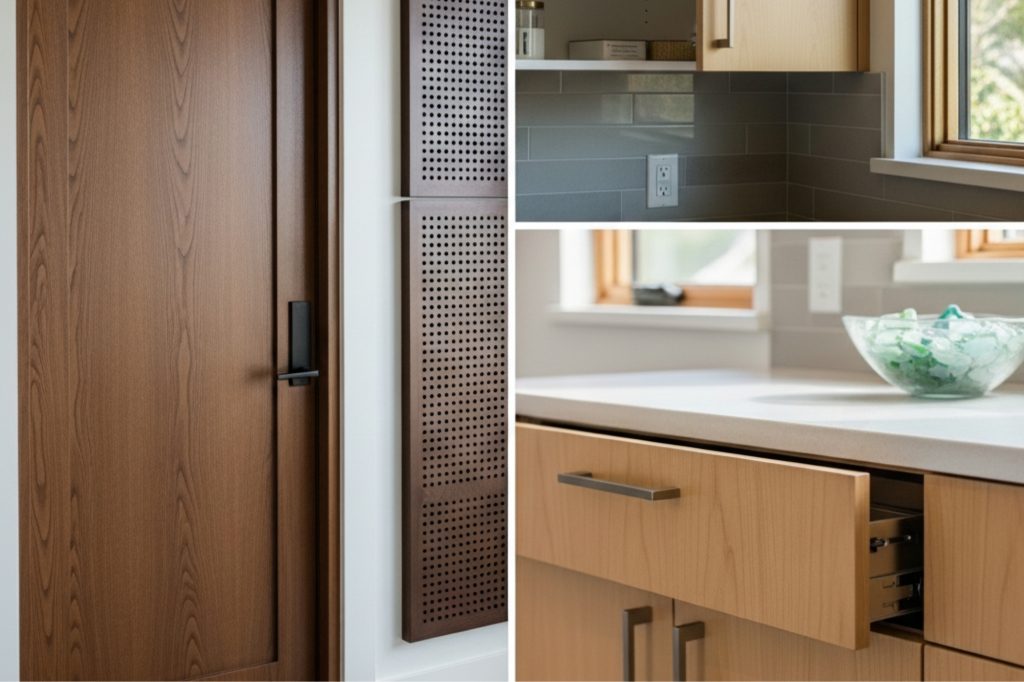
Quiet drywall, solid-core doors, and targeted insulation make hybrid-work homes quieter. We also specify soft‑close hardware and underlayment to cut footfall noise.
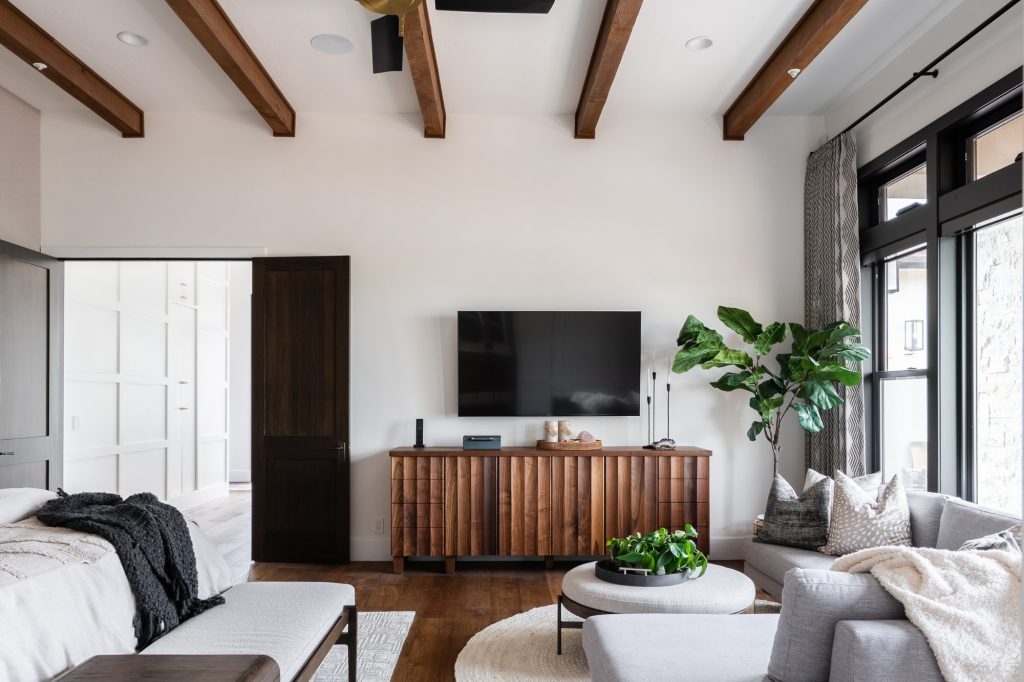
4) Ceiling design as a feature
Beams, coffers, shallow soffits, and cove lighting define zones in open plans. Treat the ceiling as your fifth wall for big impact.
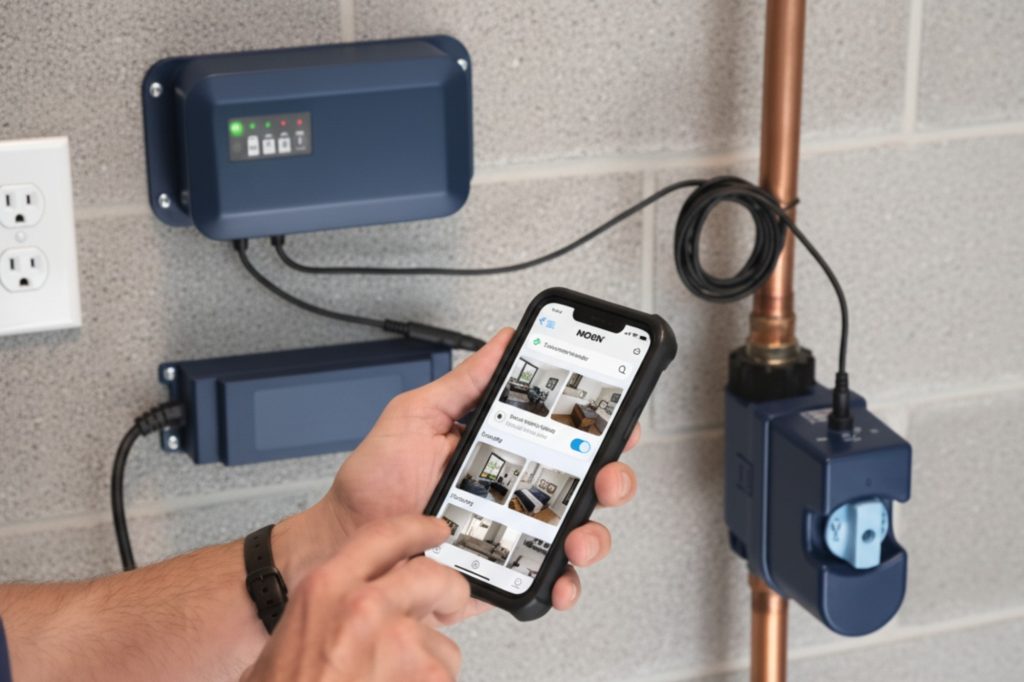
5) Smart leak detection
Whole‑home shutoff valves and sensor pucks near sinks, fridges, and washers pay for themselves in one saved incident. Install them during the rough-in stage for optimal access and cost efficiency.
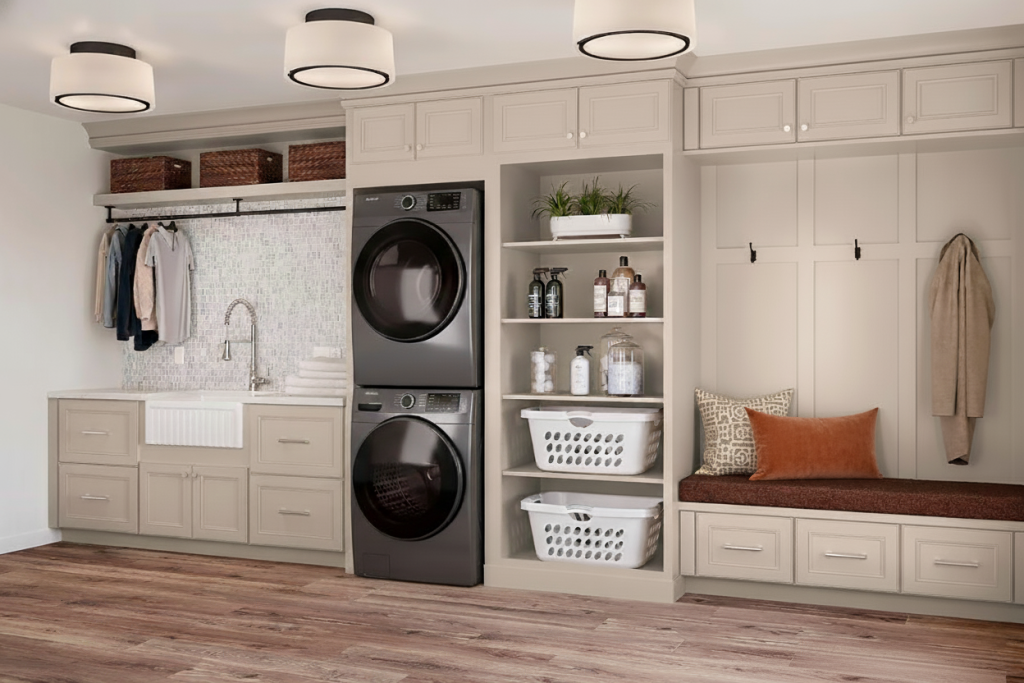
6) Mudroom‑laundry hybrids
Add a drop zone, tall cabinets, and a utility sink between the garage and the kitchen. They keep sand, gear, and backpacks from spilling into living spaces.
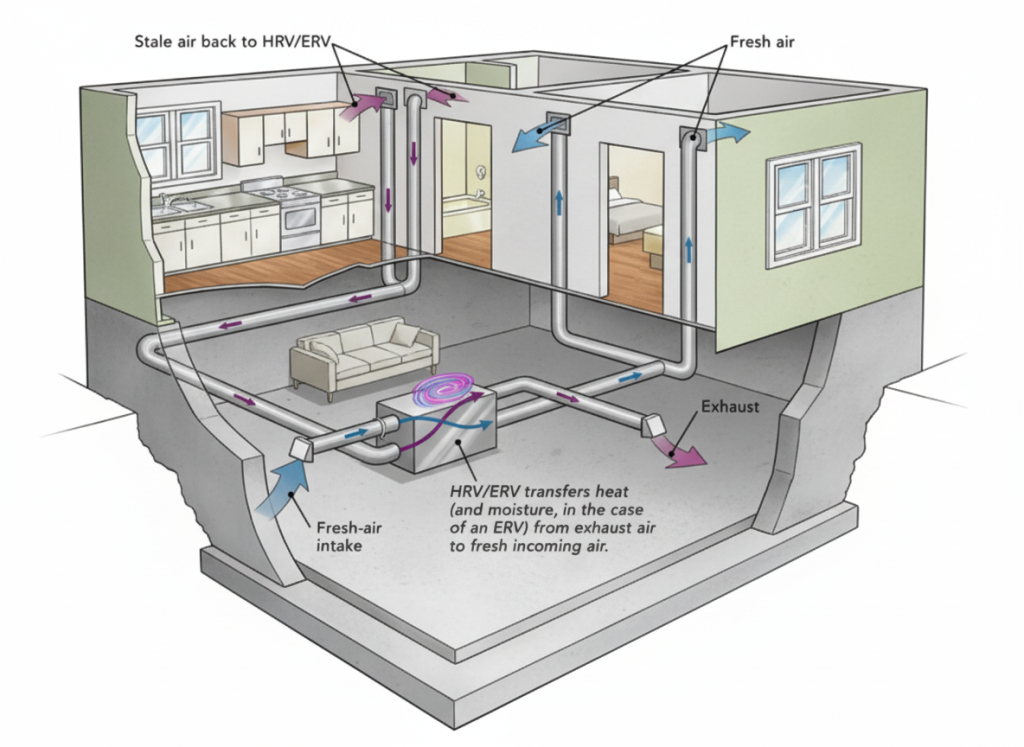
7) Indoor air quality upgrades
ERVs/HRVs (ventilation systems that bring in fresh air while keeping your heating and cooling costs down), MERV-13 filtration (a hospital-grade option that captures fine dust, pollen, and airborne contaminants—check compatibility with your HVAC system), and low-VOC finishes all support better indoor air quality and allergy relief.
- Right-size the ERV/HRV: match CFM to home volume and duct runs—oversized units can be noisy and inefficient.
- Mind the sone rating: keep full-bath fans at ≤ 1.0 sone (≤ 0.7 is great over showers); powder rooms can be a bit higher.
- Use timed/humidity controls: set 20–40 minute post-shower run time to clear moisture automatically.
- Balance supply & return: verify pressure with your HVAC pro to avoid door whistling and drafts.
Curious how these picks stack up nationwide? In the next section, I align San Diego’s must-haves with U.S. trends, highlighting where they overlap and where our climate and lifestyle lead to different choices. Use it to pressure‑test your wish list and decide what deserves budget first.
San Diego vs. United States: Where Trends Match—and Where They Don’t
Where we match the national picture
- Wellness and spa baths: Steam rooms, benches, heated floors, and mood lighting are becoming increasingly popular everywhere. Clients want daily rituals that reduce stress.
- Sustainability and performance: Durable porcelain, better windows, and efficient fixtures are now part of value, not an add‑on.
- Personalization and mixed materials: Two‑tone cabinets, layered metals, and handcrafted tile show personality without sacrificing function.
- Lighting strategy: Designers across the country are focusing on layered lighting and better controls. It’s essential for task work and mood.
Where San Diego diverges
- Indoor/outdoor living is a must: Large sliders, covered patios, and outdoor kitchens are table stakes here. Coastal breezes and year-round use make the investment a worthwhile endeavor.
- Water stewardship is integrated earlier in the design process: We specify smart irrigation and recirculation systems to conserve water without compromising comfort. Plant selections favor drought-tolerant varieties.
- Salt-air durability near the coast: We recommend finishes and hardware that withstand corrosion. Powder‑coated metals and marine‑grade options go further here than in many markets.
- Tile and stone colorways: Clients choose sun‑washed whites, sandy beiges, and sea‑glass greens more often than bold primaries. Texture does the heavy lifting.
San Diego vs. U.S. at a Glance (2025)
What this means for your project
San Diego’s priorities align with national shifts toward wellness and sustainability, but our climate and lifestyle emphasize the importance of outdoor access, water-saving strategies, and corrosion-resistant materials. If you’re deciding where to invest first, start with layout, lighting, and water/power planning, then layer in finishes.
- Openings first: plan structure for multi-panel sliders, add shade + screens, and confirm coastal-rated hardware.
- Water savings: spec hot-water recirculation, smart irrigation with a rain sensor, and WaterSense fixtures.
- Coastal durability: use powder-coated metals, 316 stainless, and sealed/exterior-grade woods near salt air.
- Sequence smartly: rough-in power/water early; select finishes after utilities are locked.
In San Diego, prioritize openings, water savings, and corrosion-resistant finishes before splurging on decorative extras.
✨ Ready to explore how these trends translate to your home? Book a free design consult — we’ll help you map your must-haves and budget with clarity.
Thinking about scope and sequence? Next, we’ll take a quick look at the projects we’re building most and the reasons homeowners move forward. Use it to select a path that aligns with your goals and budget.
Types of Projects and Consumer Motivations (2025)
Here’s where owners are spending and why. Use this to narrow down the scope that aligns with your goals and budget.
Projects we’re building most
- Replacement & maintenance: Roofing, windows, siding, HVAC, and plumbing updates account for a big share of spending nationwide. We often bundle these with layout tweaks to maximize value.
- Kitchens & baths: Still the workhorses. Typical major small‑kitchen projects land around ~$125k; small primary baths around ~$65k, with high‑end options well above that.
- Energy & comfort upgrades: Insulation, high‑performance windows, heat pumps, induction ranges, and solar/backup power. Lower bills and better comfort are the payoff.
- Outdoor living: Patios, shade structures, lighting, and outdoor kitchens; in San Diego, these spaces run nearly year‑round.
- Home office & multi‑use rooms: Flex spaces for work, study, and workouts without adding square footage—or plan an addition if you need more breathing room.
- Aging‑in‑place improvements: No‑step showers, wider doorways, blocking for future grab bars, and easier‑to‑use hardware blended into the design.
- Resilience: Leak detection, panel upgrades, and fire-wise materials — peace-of-mind features owners ask for early.
Why homeowners say “yes” to a remodel
- Refresh worn finishes (about 27%).
- Save energy/operating costs (about 19%).
- Ready for a change (about 18%).
- Prep to sell within two years (about 18%).
- Staying put beats moving, given mortgage rates and low inventory.
- Joy factor is real: average “post‑remodel happiness” scores are high, and most owners say they’d do even more if budget allowed.
Sources for this section: Harvard JCHS, NAR Remodeling Impact, Houzz U.S. Houzz & Home (2025).
Quick Data Snapshot (for planning)
Note on costs: Figures here reflect recent San Diego project medians from our KDR jobs. National medians (Houzz/NKBA) are lower due to regional labor and scope differences.
Sources: Kaminskiy Design & Remodeling, NKBA 2025 Kitchen & Bath Trends, Houzz U.S. Houzz & Home Study 2025, JCHS LIRA/Economic Briefs 2024–2025, NAHB remodeling outlooks.
Ready to turn ideas into action? These field‑tested tips save time, prevent rework, and stretch your budget without cutting the moves that matter.
Pro Tips from Our Team
- Decide on the light story first. Map tasks and mood scenes, then pick fixtures and controls. Your finishes will look better under the right light.
- Order long‑lead items early. Appliances, windows/doors, and specialty plumbing still have variable lead times.
- Budget for electrical upgrades. EV circuits, dimming, smart controls, and dedicated appliance lines can add up. Plan them on day one.
- Mock up tile layouts. With handmade tile, a dry layout helps you balance color variation before installation.
- Use value engineering, not value cutting. Keep the layout move that changes your life; simplify door styles or hardware to offset costs.
- Think about daily maintenance. Easy‑clean choices add hours back to your week.
- Phase outdoor upgrades smartly. Start with structure and utilities, then layer finishes and furniture.
Your Top 2025 San Diego Home Design Questions—Answered
What are the key interior design trends expected to dominate in 2025?
Warm woods, layered textures, curved lines, and thoughtful lighting lead the way. Wellness features, artisanal tile, mixed metals, and durable porcelain surfaces round out the list, with San Diego adding indoor/outdoor living and water‑smart choices.
How will sustainable materials influence home decor in 2025?
Expect more porcelain slabs, engineered stone, low‑VOC paints, and certified woods. These choices reduce maintenance and emissions while keeping rooms bright and easy to live in.
In what ways will multifunctional furniture shape homes in 2025?
Banquettes with storage, extendable tables, wall beds, and island workstations help smaller footprints live larger. Multi‑use pieces support hybrid work and busy family schedules.
Why are bold colors and textured walls gaining popularity in 2025 interiors?
Color-drenched and tactile finishes, such as limewash and fluted panels, add depth without clutter. Used in key zones—such as powder baths, dining rooms, or as a feature wall—they create mood and character.
How will individual personality be reflected through design risks in 2025?
Homeowners are embracing statement tile, vintage lighting, and mixed metals in focused zones. Keep fixed elements classic and let easily swapped pieces carry the louder note.
What upgrades add the most value for San Diego homes in 2025?
Kitchen and bath updates, wide openings to patios, efficient windows/doors, and EV‑ready electrical deliver strong everyday value. Add aging‑in‑place features quietly in the background so your home works for every stage of life.
- Keep the flow fixes: widen openings, rework the island, and improve circulation—these moves change daily life.
- Simplify doors & hardware: choose a clean door profile and stock pulls; upgrade later if you’d like.
- Phase the “pretty”: prewire for lighting and panels now; add statement fixtures or glass later.
- Guard a contingency: keep 10–15% aside so layout wins don’t get value-engineered away mid-project.
If your budget is tight, consider keeping the layout improvements that change the flow and scaling back on door styles or hardware to balance costs.
Want to future‑proof your selections? Here’s my short forecast for late‑2025 into 2026—use it to sanity‑check big‑ticket decisions like power upgrades, slabs, and landscaping.
What’s Next: My Forecast for Late‑2025 into 2026
- Smarter low-voltage lighting will go mainstream, featuring more linear accents and app-based scenes.
- More porcelain slabs in baths and fireplaces as stone prices fluctuate.
- Water-conscious landscapes and cisterns will become increasingly common as dry spells persist.
- Battery‑ready panels and EV adoption will push electrical upgrades into almost every remodel.
- Quiet luxury endures: warm woods, texture, and quality hardware over flashy features.
Ready to prioritize your own project? Next, I’ll connect the dots and outline simple next steps—plus how our team can help you lock in scope, budget, and schedule with confidence.
Final Thoughts & How We Can Help
If your 2025 project needs a steady plan, I always recommend starting with the big three: scope, sequence, and selections. Get these fundamentals right, and we can maintain high value with the perfect blend of layout moves that transform your living space, lighting that highlights every detail, and durable materials that age beautifully.
The trends I’ve shared aren’t just pretty ideas—they’re practical choices that deliver daily comfort, protect your investment, and adapt as your life evolves. Whether you’re drawn to Jean’s textured, curved aesthetic, Anastasia’s performance-focused kitchens and baths, or Andrea’s wellness-centered approach, the key is choosing what truly fits your lifestyle and budget.
I’ve been guiding San Diego homeowners through design decisions for years, and I’ve learned that the best projects start with honest conversations about how you actually live in your space. Do you cook every night or order takeout? Do you entertain often or prefer quiet family time? Are you planning to stay put for decades or thinking about resale in five years? These answers shape every recommendation I make.
Let’s talk about your home and your vision. Call us at (858) 271-1005 or schedule a free in-home design consultation. I’ll make sure you meet the right designer on our team—someone whose expertise aligns with your project goals and who can help you navigate both the exciting possibilities and the practical realities of your budget and timeline.
Your dream home is waiting. Let’s build it together, one smart decision at a time.
Additional Resources:
- KBIS 2025 Kitchen Trends Summit Highlights
- 2025 NKBA Kitchen Trends Report
- 2025 NKBA Bath Trends Report
- Harvard Joint Center for Housing Studies – LIRA – Remodeling Spending to Tick Up Through Mid-Year 2025
- 2025 U.S. Houzz & Home Study
- 2025 U.S. Houzz & Home Renovation Trends
- Kaminskiy Design & Remodeling – San Diego Home Design Trends 2024
- NKBA 2025 Kitchen and Bath Market Outlook
- NAHB – Remodeling Outlooks

Kimberly Villa is the Operations Manager at Kaminskiy Design and Remodeling, with nearly two decades in the remodeling industry across both East Coast and Southern California markets. That day-to-day experience, from the first budget conversation to the final walkthrough, shapes the articles she writes for the Kaminskiy blog, helping homeowners make informed decisions before, during, and after a remodel. Before publication, each article is reviewed for accuracy by a Kaminskiy team member with relevant expertise, such as a licensed architect, certified designer, or project manager.