What to Have Ready for Your In-Home Design Consultation
A first in-home design consultation is most useful when you can clearly show what you want, what you’re working with, and the constraints of the home. A little preparation helps you get more specific answers about options, feasibility, and likely scope.
San Diego homes can come with added variables, HOAs, coastal restrictions, and older construction, so it’s helpful to gather a few basics before the visit. This guide covers what to photograph, what inspiration is most useful, what home details matter, and how to clarify priorities, budget range, and timeline.
Use the checklist below to prepare.
Download Your Free ChecklistPrefer to listen instead? We walked through this same prep list in a podcast-style format — what to show us, what helps us price faster, and how to avoid extra back-and-forth. Hit play if you’d rather listen than read.
Key Takeaways
- The more you prep, the more accurate your design and pricing will be on day one.
- Photos + inspiration + basic home info = faster decisions.
- HOA/coastal rules in San Diego can slow projects down, so having them ready helps a ton.
- A clear must-have vs. nice-to-have list lets us design to your budget.
- Being honest about your budget range helps you avoid designs you can’t afford.
- You don’t have to print anything — phone photos and Pinterest are totally fine.
Why this matters: An in-home consult isn’t just a “look around” — it’s where we start building the real plan for your remodel. When you can show us the space, the style you want, and the rules your home must follow, we can skip the guesswork and start talking about actual solutions for your San Diego home. Now, let’s go through what to have ready.
What Your Designer Needs to Make That Visit Count
An in-home consult works best when we can see your space, your style, and your constraints all at once. That’s how we go from “tell me about your project” to “here’s what this could actually look like in your San Diego home” in a single visit. The checklist below isn’t busywork — it’s what lets us give you real ideas, tighter ranges, and a smoother path to permits and construction.
1. Existing Conditions We’ll Want to See
We’ll walk the space, but it helps if we can also see:
- The rooms you want to remodel (kitchen, bath, primary, addition area)
- Access points: side yard, garage, back yard, where materials would go
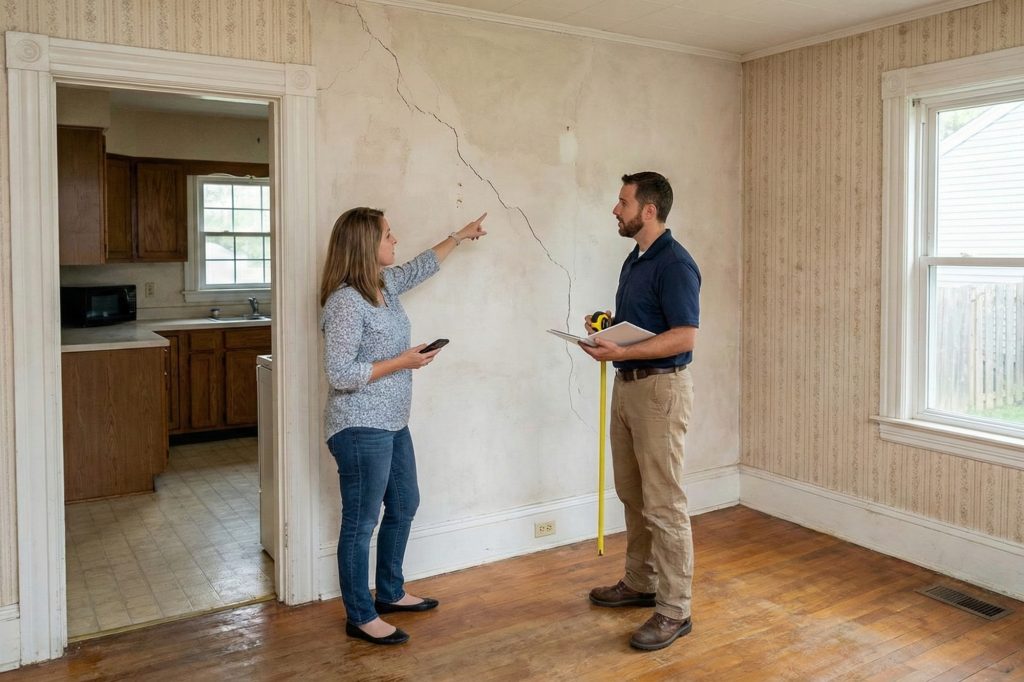
- Any problem spots: cracking, water damage, walls you want to remove
- Exterior areas, if you’re thinking about an addition, ADU, or outdoor space
If an area can’t be accessed that day (tenant space, locked garage, side yard with dogs), have a few photos ready to show us on your phone.
2. Your Inspiration (Phone/Pinterest Is Fine)
You don’t have to print anything — just have 5–10 images ready to show:
- Kitchens or baths you like
- Color palettes (light, warm, coastal, Spanish-modern)
- Tile/cabinet looks you’re drawn to
- Indoor–outdoor ideas you want to copy
The key is telling us what you like in each image — the ceiling, the island, the cabinet color, the lack of uppers, the archway, the plaster hood. That’s how we translate “I like this vibe” into something that works in your house.

3. Basic Info About Your Home
Have this information handy (or be ready to tell us):
- The year your home was built
- Whether you’re in an HOA (and if they need to approve exterior changes)
- Whether you’re in a coastal/view-sensitive area
- Whether the home has had additions or DIY work in the past
- Any known issues: old plumbing, electrical panel at capacity, rooms that get too hot
This helps us design for reality, not for a plan that later gets slowed down by San Diego rules.

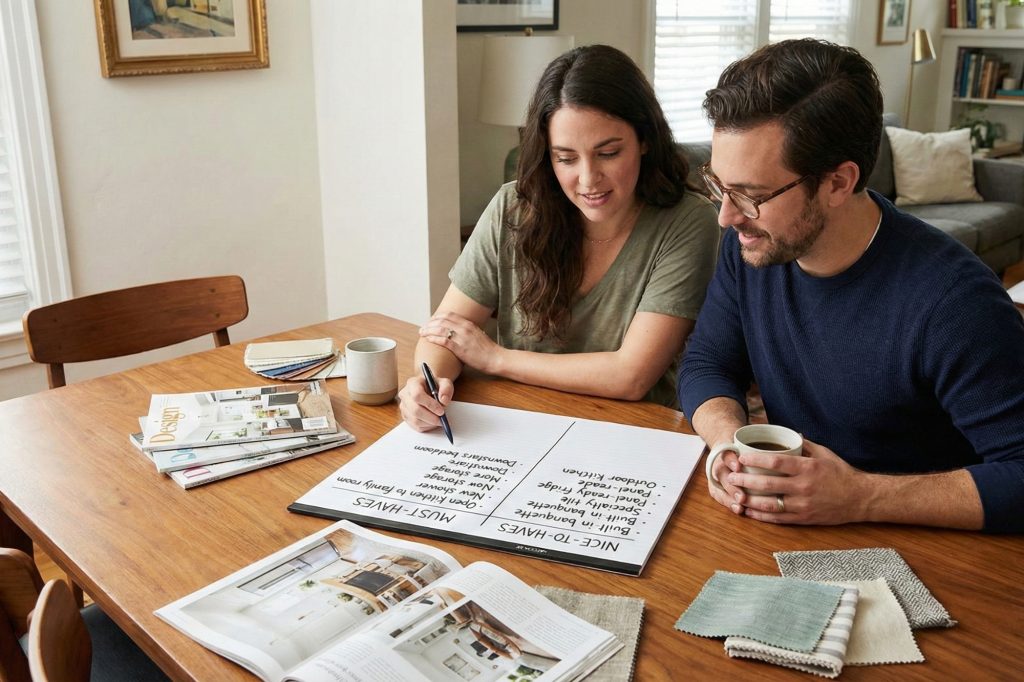
4. Your Must-Haves vs. Nice-to-Haves
This is one of the most useful things you can prep.
Must-haves might be:
- Open the kitchen to the family room
- Add a real shower to the guest/primary bath
- Create more storage
- Add a downstairs bedroom for parents
Nice-to-haves might be:
- Built-in banquette
- Specialty tile pattern
- Panel-ready fridge
- Outdoor kitchen at the same time
When you know what’s non-negotiable and what can be phased or value-engineered, we can shape the project to your budget.
5. Your Realistic Budget Range
This is where homeowners help us the most.
You already have access to KDR’s blogs on San Diego kitchen costs, bath costs, whole-home remodels, additions, and ADUs, so you probably have a ballpark already. Write down a realistic range.
Why? Because if we know you want to stay, say, in the $120k–$150k range, we won’t design a $225k solution. And if you’re ready to invest more to get everything done at once, we can show you that path too.
It’s not about upselling, it’s about not wasting your time.

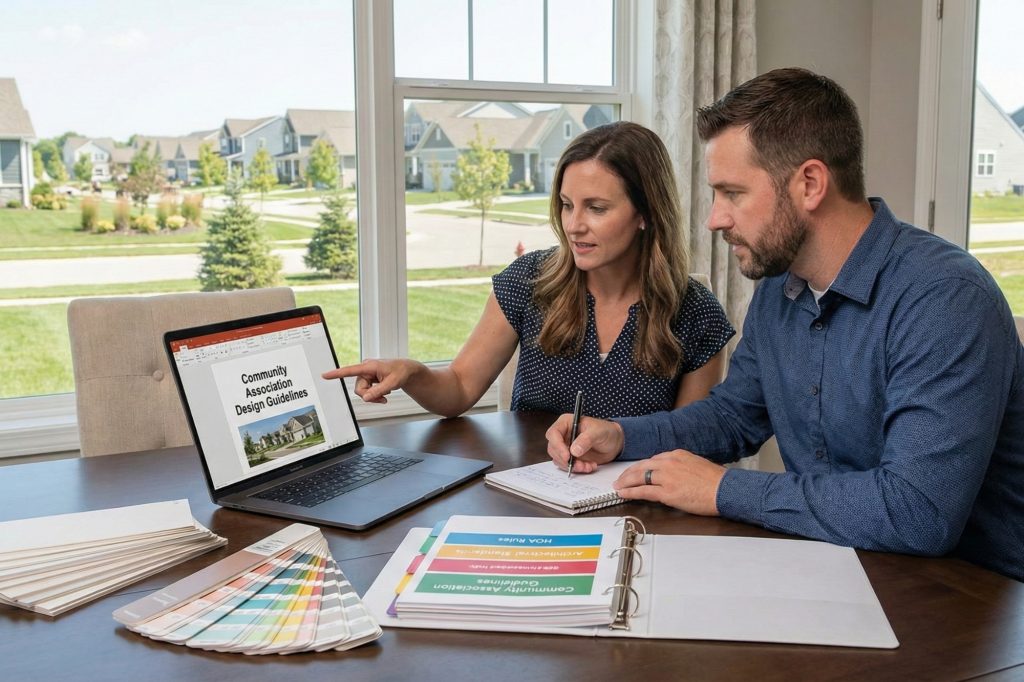
6. HOA or Community Rules (If You Have Them)
If you live in a planned community, townhome, or coastal area, have your HOA guidelines ready — even a PDF or email is fine.
That way we can:
- Design to their color/material standards
- Avoid exterior details they won’t approve
- Tell you if we need to submit to them before starting
It’s a small step that saves weeks later.
7. Your Timeline Reality
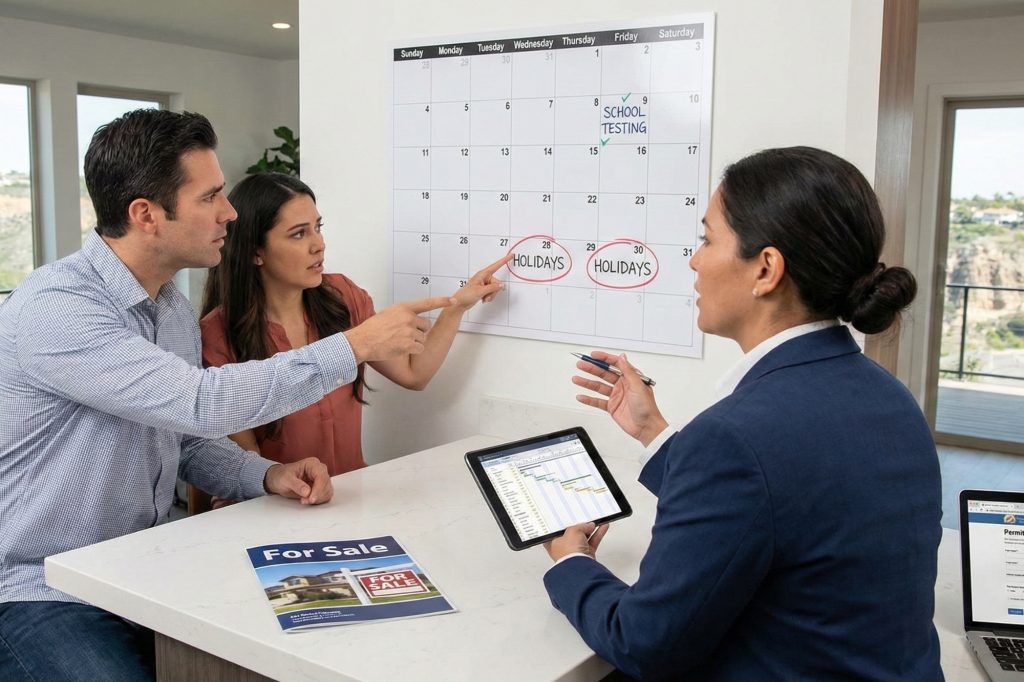
Let us know if you’re trying to:
- Be done before the holidays
- Avoid construction during school testing
- Remodel before listing
- Combine interior and exterior work
We can align that with real San Diego timelines (permits, long-lead materials, trade schedules) and tell you what’s actually possible.
8. Questions You Should Ask Us While We’re There
Use the consultation to understand the process and expectations, not just the design.
Ask:
- Who will be my main point of contact during construction?
- Do you handle permits with the City of San Diego?
- How do you handle change orders?
- How often will I get progress updates?
- When could you realistically start if I said yes this month?
- What can I do to keep the project moving?
Good remodels = good communication.

Frequently Asked Questions
Do I really need to have a budget ready before the in-home consultation?
It helps a lot. You don’t have to know the exact number, but even a range tells us whether to propose a full reconfiguration or a lighter refresh. Without a budget, we either have to guess or come back to you later.
What if I don’t have HOA documents yet?
Bring whatever you have — even an email or link to your HOA guidelines. If you truly don’t have them, tell us you’re in an HOA so we don’t design something they’re likely to reject (like certain exterior changes or rooftop spaces).
I only have screenshots and Pinterest saves — is that okay?
Yes. Phone photos, Instagram saves, and Pinterest pins are all fine. Just narrow it down to 5–10 and tell us what you like in each image so we don’t guess wrong on style.
What if I’m not sure about my “must-haves” yet?
That’s normal. Start with the problems you want to solve — “no storage,” “closed-off kitchen,” “bath not functional.” We can help you turn that into a must-have vs. nice-to-have list during the visit.
Will you still come out if I’m remodeling in phases?
Yes. In fact, telling us you want to phase the remodel is important in that first meeting. We can design the whole vision once, then show you a smart order to build it without redoing work later.
Can you give me pricing at that first visit?
If you have photos, a clear scope, and a realistic budget range, we can usually talk through ballparks or likely ranges. Exact numbers come after design and selections, but good prep makes that pricing step faster.
Wrap-Up: Use This Checklist to Get More Value from a First Visit
Having a few things ready ahead of time, like photos of the space, inspiration images, basic home details, HOA guidelines (if applicable), a must-have list, and a budget range, helps you get clearer answers faster and reduces back-and-forth later.
If you want a simple way to prep, use this quick summary checklist:
- Space info: what rooms are included, what problems you’re trying to solve
- Photos: wide shots + close-ups of trouble areas (damage, tight clearances, awkward layouts)
- Inspiration: 5–10 examples and notes on what you like about each
- Home facts: year built, past additions/DIY work, known plumbing/electrical issues
- Constraints: HOA rules, coastal/view rules (if they apply), access limitations
- Priorities: must-haves vs. nice-to-haves
- Budget range: a realistic range that aligns with your goals
- Timeline: target dates and any “blackout” periods you want to avoid
Use the sections above as a guide, and you’ll be able to communicate your goals more clearly and evaluate options with fewer surprises.

Kimberly Villa is the Operations Manager at Kaminskiy Design and Remodeling, with nearly two decades in the remodeling industry across both East Coast and Southern California markets. That day-to-day experience, from the first budget conversation to the final walkthrough, shapes the articles she writes for the Kaminskiy blog, helping homeowners make informed decisions before, during, and after a remodel. Before publication, each article is reviewed for accuracy by a Kaminskiy team member with relevant expertise, such as a licensed architect, certified designer, or project manager.